
Europe’s Summer Inferno: Wildfires, Heatwaves & Climate
Europe’s Wildfire Emergency: A New Climate Reality
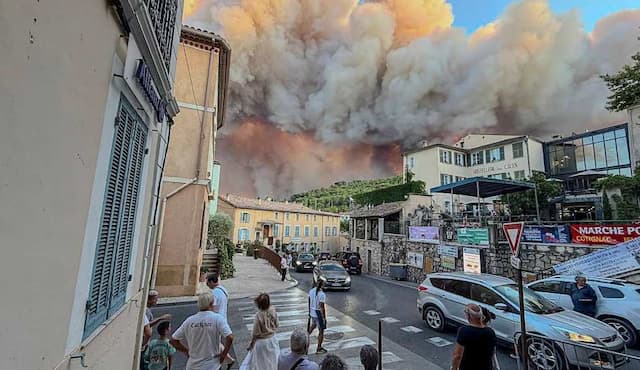
Southern Europe is facing one of its most dangerous summers on record. From the Atlantic coast of southwest France to the hills surrounding Madrid, wildfires are raging as an incoming heatwave threatens to turn already scorched landscapes into a tinderbox. Firefighters warn the coming days will be “absolutely critical” as temperatures soar above 40°C and winds pick up, creating perfect conditions for new blazes and explosive fire behavior.
What is unfolding in France and Spain is more than a seasonal crisis. It is a stark illustration of how climate change, drought and human activity are converging to reshape Europe’s wildfire patterns—and how communities, policymakers and individuals must adapt to this new reality.
Record-Breaking Fires and Mass Evacuations
France: A Historic Fire Season
France is experiencing one of its most severe wildfire seasons in modern history. Authorities report that more than 115,000 hectares of land have already burned this year, compared with an average of 9,000 hectares annually between 2014 and 2023—a staggering increase that underscores the scale of the emergency.
Regions such as Gironde in southwest France have been particularly hard hit:
Around 42,000 hectares have burned in Gironde alone.
Approximately 220,000 people have been evacuated, marking one of the largest peacetime displacements in Europe since World War II.
Multiple departments—up to 65 at one point—have been placed on high fire-risk alert as authorities brace for new ignitions.
French officials emphasize that nine out of ten wildfires in Europe are sparked by human activity, whether through negligence (discarded cigarettes, barbecues, machinery) or deliberate arson. In response, security forces have intensified efforts to identify and prosecute arsonists, while public campaigns urge residents and tourists to rethink everyday behaviors that can start catastrophic fires.
READ ALSO: Wildfires Near Bordeaux Trigger Mass Evacuations
Spain: Extreme Fire Danger Near Major Cities
Spain is equally under siege. Fires west and south of Madrid, as well as in the Guadalajara region, have forced tens of thousands of people to flee their homes.reuters+2
Key impacts include:
Spain’s worst wildfire so far this year has burned an estimated 32,000 hectares in Guadalajara.
More than 116,000 people have been evacuated since the current wave of fires began, with some able to return as conditions temporarily stabilize.
Authorities have declared “very high or extreme” fire danger across most of mainland Spain and the Balearic Islands, warning that the ongoing heatwave, dry thunderstorms and Saharan dust will elevate wildfire risk even further.
Spanish Prime Minister Pedro Sánchez has described the fires as “the most painful expression of a climate emergency,” noting that what was once the exception is becoming the rule.
An Incoming Heatwave That Could Make Everything Worse
Europe’s Fastest-Warming Continent
Meteorologists warn that a new heatwave is set to sweep across France, Spain and Portugal, with temperatures expected to reach or exceed 40°C in several regions. This will be France’s fourth heatwave of the summer, following almost back-to-back extreme temperature events since May.
Europe is currently the fastest-warming continent on Earth, with more than 95% of the region experiencing above-average annual temperatures in recent years. Scientists note:
Heatwaves in Europe are becoming more frequent, more intense and longer-lasting.
Drought and prolonged high temperatures draw moisture from vegetation, turning forests and fields into dry fuel primed to burn.
Record-breaking temperatures observed in June and early summer would have been “virtually impossible” without human-driven climate change.
Why Heatwaves Supercharge Wildfires
Heatwaves do more than make fires more likely. They change fire behaviour itself:
Parched vegetation: High temperatures and little rainfall dry out grass, shrubs and trees, allowing flames to spread rapidly and burn more intensely.
Stronger winds and dry storms: Gusty winds and dry thunderstorms can spark new fires and push existing ones into new areas at speed.
Extended fire season: Researchers note that Mediterranean fires are now starting earlier, lasting longer and impacting larger areas than in previous decades.
With firefighters already exhausted from weeks of nonstop operations, the incoming heatwave represents a double threat: worsening active blazes and igniting new ones in vulnerable regions that are still recovering.
Climate Change at the Core of Europe’s Wildfire Crisis
From Seasonal Hazard to Structural Risk
Wildfires have always been part of southern Europe’s summer landscape, but the pattern has shifted. Scientists and EU agencies point to climate change as the driving force behind today’s more frequent, more intense and more destructive fires.
Several factors stand out:
Rising temperatures: Europe is warming at roughly twice the global average, making heatwaves and droughts more severe.
Changing land use: The decline of traditional farming and forestry has left large areas of unmanaged vegetation, effectively turning rural landscapes into a continuous fuel bed.
Cumulative stress: Successive heatwaves, water shortages and soil degradation compound over time, making each fire season more dangerous than the last.
The UN climate chief has warned that the “climate alarm is blaring,” while European officials caution that, in some years, wildfires could continue burning into early November if conditions remain extreme.Human Cost: Health, Economy and Ecosystems
Beyond burned hectares and evacuation numbers, the human and ecological impacts are profound:
Health: Wildfire smoke increases levels of particulate matter and toxic gases, leading to respiratory problems and thousands of premature deaths across affected regions.
Economy: Tourism, agriculture and infrastructure suffer heavy losses as fires threaten holiday areas, vineyards, farms, telecom networks and transport corridors.
Ecosystems: Fires destroy habitats, release large amounts of carbon dioxide and weaken forests’ ability to store carbon, creating a feedback loop that further accelerates warming.
What we are witnessing in France and Spain is not an isolated catastrophe—it is a preview of the climate-driven risks that many regions will face in the coming decades.
Building Resilience: What Can Be Done?
Policy and Community-Level Action
Experts argue that Europe must shift from emergency reaction to long-term resilience. That means:
Investing in prevention: Enhancing forest management, controlled burns in safe conditions, and clearing fuel around critical infrastructure can reduce fire intensity.
Modernizing fire services: Better equipment, satellite monitoring, AI-based fire risk mapping and cross-border cooperation help firefighters respond faster and more safely.
Urban planning and zoning: Limiting construction in high-risk areas and enforcing strict building codes (fire-resilient materials, defensible space) around homes near forests can save lives and property.
For climate policy, the message is clear: reducing greenhouse gas emissions and accelerating the energy transition is essential to slowing the pace of warming and limiting future extreme fire seasons.Individual Responsibility: Small Actions, Big Impact
Because most wildfires are caused by human activity, individual behavior is a powerful lever for change.
Key guidelines for residents and tourists in high-risk areas include:
Avoid open flames (barbecues, campfires) near tinder-dry vegetation during heatwaves.
Never discard cigarettes outside, especially from cars or near forest edges.
Respect all local fire bans and restrictions, even if they feel inconvenient.
Report smoke and potential fires immediately to emergency services.
Prepare a basic evacuation plan and emergency kit if you live in a fire-prone area.
Collectively, these actions can significantly reduce ignition events and free up firefighting resources to focus on the most dangerous blazes.
Europe at a Crossroads
The wildfires currently ripping through France and Spain are a powerful symbol of Europe’s climate crossroads. On one side, a landscape shaped by centuries of agriculture, forest use and coastal tourism; on the other, a fast-warming climate generating heatwaves, drought and fire behaviour that outpaces traditional systems of prevention and response.
As temperatures rise again this week, authorities remain in a race against time to contain major fires before the next surge of heat and wind arrives. Whether Europe can adapt quickly enough—through smarter land management, stronger climate policy and everyday behavioural change—will determine how often “summer inferno” becomes the new normal headline.
Enjoyed this? Get the week’s top France stories

One email every Sunday. Unsubscribe anytime.

