
French MPs Approve Fiscal Boost for Private Landlords: Status, Amortization, and Social Housing Reform
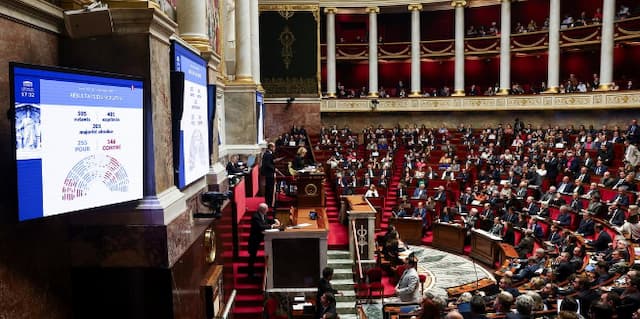
French lawmakers have voted for a new fiscal status for private landlords, introducing an innovative amortization scheme and urging government reforms for social housing. Discover how these changes can impact property investors in France.
Major Parliamentary Vote Reshapes Property Investment
On November 14, 2025, the French Assemblée nationale passed a landmark fiscal initiative designed to reinvigorate investment in affordable rental homes throughout France. With 158 votes in favor and 49 opposed, deputies approved the creation of a long-awaited “statut du bailleur privé”—a new legal and fiscal status offering robust incentives for individuals owning and renting properties.
This reform, achieved via an uncommon alliance of left, center, and right parliamentary forces, responds to a deepening housing crisis and is hailed across the political spectrum as a pragmatic step to stimulate the rental market while capping rents and supporting social objectives.
The New “Statut du Bailleur Privé”: A Game-Changer
Encouraging Private Investment
The “statut du bailleur privé” is crafted to entice private landlords to invest in properties destined for the rental market at controlled rates. Long sought by conservative factions but shaped by socialist and ecological inputs, the arrangement seeks both social fairness and economic dynamism.
How the Amortization Works
Landlords qualifying under this status can benefit from a progressive amortization of their property’s taxable value, a structure that varies according to the type of housing rented:
| Property Type | Annual Amortization Rate | Maximum Deduction | Conditions |
|---|---|---|---|
| New, intermediate rent | 3.5% | Up to 8,000 €/year | Rent capped, 2 homes max |
| New, social housing | 4.5% | Up to 8,000 €/year | Rent capped, 2 homes max |
| New, very social housing | 5.5% | Up to 8,000 €/year | Rent capped, 2 homes max |
| Renovated old property | 3% – 5% | Up to 8,000 €/year | Minimum 15% renovation spend |
Crucially, the amortization applies only to 80% of the property value and is limited to two dwellings, reinforcing the government’s priority to channel support toward small-scale investors rather than large-scale real estate conglomerates. Letting to family members is excluded, and strict rent caps based on regulatory conventions must be respected.
Parliament’s Social Bargain: The RLS Debate
What is RLS?
Since 2018, social housing providers have faced a mandatory “Réduction de loyer de solidarité” (RLS)—a state-imposed levy compelling them to slash rents for low-income tenants. Yet, the state does not fully offset these lost revenues, undermining the sector’s capacity to build or refurbish homes.
Government’s Commitment
The passage of the landlord status is linked to a conditional promise from the government to reduce RLS pressure on social housing landlords. Minister Amélie de Montchalin accepted the need for reduced levies but stopped short of adopting the €900 million cut demanded by the ecologist and leftist deputies, who see the current burden as hazardous for the social sector.
This compromise, however, left several parties unsatisfied. Ecologists and far-left groups ultimately rejected the measure, claiming it would mostly benefit wealthier property owners without fully safeguarding affordable housing goals.
Reactions from Across the Political Spectrum
Support and Dissent
Socialist MP Iñaki Echaniz called the status “a boost for sustainable, affordable housing,” while emphasizing that government engagement on social landlord taxation must be tangible, not rhetorical. Meanwhile, critics such as LFI deputy Claire Lejeune condemned the article as “yet another tax break for the well-off.”
Next Steps
The debate is far from over, as several left-leaning opposition groups are reserving judgment until the second reading, hoping for greater concessions on social housing reform and stricter guarantees for tenants.
What This Means for Expat Property Owners and Investors
For expats and non-resident investors in France, this reform opens new avenues to benefit from significant fiscal reductions when investing in affordable and social rental markets. It may also set a blueprint for future legislation calibrating benefits more closely to social utility and ecological renovation standards.
This development marks an important evolution for landlords, tenants, and the broader housing economy in France. Watch this space for more news, analysis, and expat-focused updates on evolving property frameworks.
Enjoyed this? Get the week’s top France stories

One email every Sunday. Unsubscribe anytime.

