
Global Fuel Crisis: Oil Shock Hits US and Europe
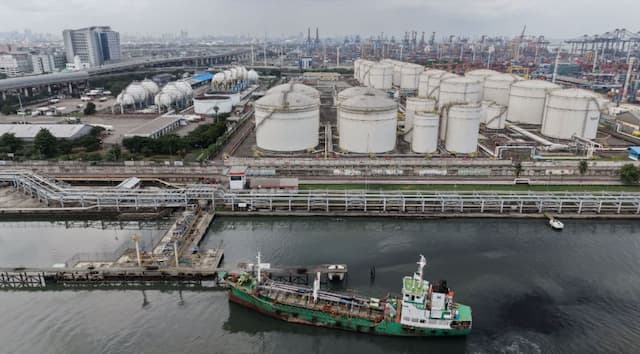
Global Fuel Crisis: How the Iran Conflict Is Driving Oil Prices and Disrupting Supply Chains
The global energy system is under intense strain as geopolitical tensions in the Middle East escalate into a full-scale economic shock. Following coordinated military action involving Iran, the near shutdown of one of the world’s most critical oil routes—the Strait of Hormuz—has triggered a ripple effect across fuel markets.
From soaring petrol prices in the United States to looming jet fuel shortages across Europe, the consequences are becoming visible in everyday life. For consumers, businesses, and investors alike, this is no longer just a geopolitical story—it’s an economic turning point with global implications.
Why the Strait of Hormuz Matters So Much
The Strait of Hormuz is not just another shipping lane—it is the backbone of global oil transportation. Roughly 20% of the world’s oil supply passes through this narrow waterway every day.
When access to this route is restricted or blocked:
Global oil supply drops almost immediately
Prices react sharply due to panic buying and speculation
Supply chains across continents begin to tighten
In the current crisis, near-total disruption has forced oil markets into one of the fastest drawdowns in history. Strategic reserves are being tapped at record levels, but they are not enough to fully offset the supply shock.
US Gas Prices Surge: What’s Driving the Spike?
American drivers are already feeling the impact. Petrol prices have surged by around 50% since late February, pushing the national average above $4.50 per gallon, with significantly higher prices in states like California.
Key factors behind rising fuel prices:
Reduced global crude supply due to shipping disruptions
Refinery adjustments prioritising diesel and jet fuel
Falling US gasoline inventories
Increased competition for available oil on global markets
Refiners in the US are making difficult trade-offs. With jet fuel and diesel in critically short supply globally, production has shifted away from gasoline—tightening supply at the pump even further.
A shrinking safety net
The US government has attempted to stabilise markets by releasing oil from the Strategic Petroleum Reserve (SPR). However:
Nearly half of the pledged reserves have already been used
Stockpiles are approaching multi-year lows
Replenishment will take years, not months
This means the buffer that once protected consumers from extreme price volatility is rapidly disappearing.
Europe Faces a Jet Fuel Crisis
While US drivers grapple with rising petrol costs, Europe is confronting a different—but equally serious—problem: aviation fuel shortages.
Jet fuel inventories across the continent are falling fast, with analysts warning that critical thresholds could be breached within weeks.
What makes jet fuel shortages so dangerous?
Unlike petrol, jet fuel has limited substitution options. Airlines cannot easily switch to alternative fuels at scale, making them highly vulnerable to supply disruptions.
Warning signs already visible:
Inventories at key hubs like Amsterdam-Rotterdam-Antwerp have dropped sharply
Airlines are proactively cancelling flights to conserve fuel
Governments are preparing contingency plans, including rationing
Lufthansa, for example, has already cancelled tens of thousands of short-haul flights in an effort to preserve fuel reserves. Other airlines are expected to follow if the situation worsens.
Potential consequences for travellers:
Higher ticket prices
Reduced flight availability
Disruptions to summer travel plans
Increased delays and cancellations
For Europe’s tourism-dependent economies, this could not come at a worse time.
The Global Oil Market Is Tightening Fast
Beyond regional impacts, the broader oil market is entering dangerous territory.
Global inventories are being depleted at a pace rarely seen before. Analysts estimate that millions of barrels per day are being drawn down from reserves, creating a supply-demand imbalance that is difficult to correct quickly.
Why this matters:
When inventories fall too low, markets become extremely sensitive to even minor disruptions. This can lead to:
Rapid and unpredictable price spikes
Increased market volatility
Panic buying and hoarding behaviour
Some analysts warn that oil inventories in developed economies could soon hit “operational minimums”—the point at which supply chains begin to break down rather than simply tighten.
Could Oil Hit $200 Per Barrel?
One of the most alarming aspects of the current situation is the potential for further escalation.
Economists and financial institutions are increasingly discussing worst-case scenarios, including oil prices reaching or exceeding $200 per barrel.
What would drive such a spike?
Prolonged closure of the Strait of Hormuz
Attacks on regional oil infrastructure
Escalation of military conflict
Failure of diplomatic efforts
What it would mean for the global economy:
A return to stagflation (high inflation + low growth)
Sharp increases in transport and production costs
Falling consumer spending
Stock market downturns
This scenario would echo the oil shocks of the 1970s—but with even greater global interconnectedness, potentially amplifying the economic impact.
Knock-On Effects Across Industries
The energy crisis is not limited to fuel prices—it is spreading across multiple sectors.
Key industries affected:
Transport & logistics: Higher fuel costs increase shipping and delivery prices
Aviation: Reduced capacity and rising fares
Manufacturing: Increased production costs due to energy inputs
Agriculture: Higher fertiliser and transport costs affecting food prices
This creates a cascading effect where inflation spreads beyond energy into everyday goods and services.
What Happens Next?
The path forward depends heavily on geopolitical developments.
At present:
A fragile ceasefire exists but tensions remain high
Diplomatic negotiations are ongoing but uncertain
Military risks in the region persist
Reopening the Strait of Hormuz is the single most important factor in stabilising global markets. However, even if shipping resumes, it may take months for supply chains and inventories to recover.
How This Affects Expats and Residents in France
For readers living in France or elsewhere in Europe, the impact is likely to be both immediate and practical.
What to watch for:
Rising petrol and diesel prices at local stations
Increased airfare costs for travel within Europe
Potential disruptions to summer holiday plans
Higher prices for imported goods
France, like much of Europe, is heavily dependent on imported energy. This makes it particularly vulnerable to global supply shocks.
Final Thoughts: A Crisis Still Unfolding
The current fuel crisis is not just a temporary spike—it reflects deeper vulnerabilities in the global energy system.
Heavy reliance on key chokepoints like the Strait of Hormuz means that geopolitical events can rapidly evolve into economic crises. As the situation develops, markets, governments, and consumers will all be forced to adapt.
For now, one thing is clear: energy security is back at the centre of global attention, and its impact is being felt everywhere—from petrol stations in the US to airport departure boards across Europe.
Enjoyed this? Get the week’s top France stories

One email every Sunday. Unsubscribe anytime.

