
EU €3 Duty Hits Chinese E-Commerce Hard
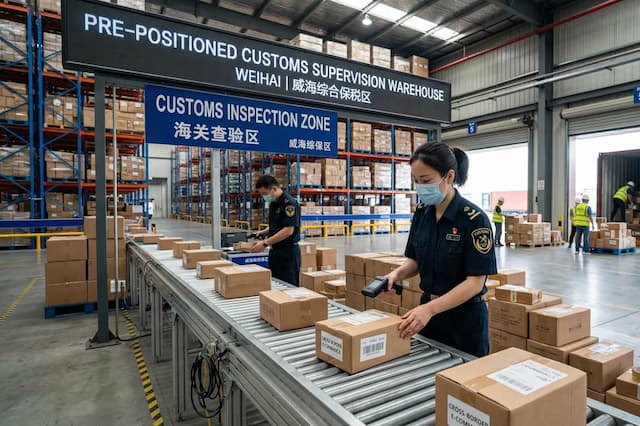
The €3 Shockwave: How a Tiny Fee Is Reshaping European E-Commerce
A single €3 customs duty has sent ripples across the European e-commerce landscape, triggering a dramatic 30-40% plunge in low-value parcel imports from China since July 1, 2026. This seemingly modest fee—applied per product category rather than per parcel—has upended the business models of giants like Temu, Shein, and AliExpress, while prompting savvy US merchants to pivot their shipping strategies. For content marketers, SEO specialists, and digital entrepreneurs, understanding this shift is crucial for navigating the new reality of cross-border trade.
The New Rules: What Changed on the 1st July 2026?
Until mid-2026, the European Union operated under a de minimis exemption that allowed parcels valued under €150 to enter duty-free. This loophole fueled the explosive growth of Chinese e-commerce platforms, which accounted for 91% of these small consignments in 2024, according to European Commission data.
On July 1, 2026, that exemption vanished. The EU introduced a temporary flat customs duty of €3 per tariff heading (product category) on all parcels worth €150 or less. Here’s the catch: if your parcel contains items from multiple categories—say, a phone case, earphones, and a charger—you pay €3 for each, not once for the whole shipment.
This measure is set to remain in place until July 1, 2028, when a permanent customs reform takes effect.
Why €3 Hurts More Than It Sounds
For platforms like Temu, where the average order value hovers around €30, a €3 fee represents a 10% effective tariff on single-item orders—and significantly more on multi-category baskets. The cumulative effect? Consumers face higher costs, longer delivery times, and unexpected charges at checkout or upon delivery.
The Immediate Impact: Sales Plummet, Air Cargo Volumes Drop
The results were swift and severe. Between June and July 2026, sales volumes on Temu crashed by 50%, while AliExpress saw a 37% decline. Shein fared relatively better, with a 15% drop, buoyed by its strategic move to open a new warehouse in Poland in late 2025—a decision that now helps mitigate the duty’s impact by enabling intra-EU shipping.
French customs data, cited by the Ministry of Economy, confirms a 30-40% overall reduction in small parcel imports into the EU since the duty’s introduction. Italy recorded a 36% drop even before the 1st July, as some member states pre-emptively introduced handling fees.
Air Cargo Volumes Tell the Same Story
The decline isn’t limited to sales figures. Air cargo volumes from China and Hong Kong to Europe have fallen for consecutive weeks since the duty took effect. By early August, chargeable weight from Hong Kong to Europe was down 24% year-on-year, while mainland China saw an 8% drop.
China-Europe freighter capacity has contracted by 28% since June, with e-commerce gateways like Madrid, Budapest, and Ürümqi hit hardest. This capacity crunch has firm ed rates on key lanes, though recovery may take up to 12 months based on precedents from the US and Brazil.
Platform Liability: Who Pays When Things Go Wrong?
The EU’s reform didn’t just impose a fee—it shifted liability. Major Chinese platforms including Temu, Shein, and AliExpress are now designated as the legal import responsible parties. This means they bear full obligations for tax payment, product compliance, and origin authenticity.
Repeated violations can incur penalties of up to 6% of annual sales—a steep price for non-compliance. This regulatory pressure adds another layer of complexity for platforms already grappling with volume declines.
US Merchants Pivot: The DDP Strategy
While Chinese sellers face headwinds, US merchants shipping to Europe have adopted a different approach. According to ePost Global, which handles over 20 million items annually, there has been no meaningful drop in volumes from US-based sellers in the first 45 days of the new regime.
The key? A shift from Delivery Duty Unpaid (DDU) to Delivered Duty Paid (DDP) arrangements. Under DDP, merchants prepay duties and taxes, ensuring a seamless customer experience. Under DDU, consumers face unexpected charges at delivery—leading to refused packages and returns.
Alison Layfield, Vice President of Product Development at ePost Global, noted that many US merchants are already switching to DDP or planning to do so. With an additional €2 handling fee expected by November 1, 2026, the pressure on DDU shipments will only intensify, potentially raising per-item costs to €5 for consumers receiving ungrouped shipments.
What This Means for Your E-Commerce Strategy
For digital entrepreneurs and content marketers, the lesson is clear: transparency and compliance are no longer optional. Whether you’re selling digital products on Gumroad, physical goods on Etsy, or running a Shopify store, understanding your shipping terms and duty obligations is critical.
Switch to DDP if you’re shipping physical goods to the EU.
Bundle products under the same tariff heading to minimize duty charges.
Communicate clearly with customers about potential fees to avoid cart abandonment.
Monitor regulatory changes leading up to the 2028 customs reform.
The Bigger Picture: Leveling the Playing Field?
French Economy Minister Roland Lescure welcomed the results, stating, “Given China, there is no fatality,” suggesting the duty is achieving its goal of reducing the flood of ultra-low-cost imports. The European Commission frames the measure as a temporary fix to level the playing field for EU-based retailers, who have long complained about unfair competition from duty-free Chinese imports.
Yet, critics argue the duty disproportionately affects lower-income consumers who rely on affordable goods from platforms like Temu and AliExpress. Others point out that even with the €3 fee, many Chinese products remain cheaper than their European counterparts—suggesting the duty may not fully achieve its protective intent.
Looking Ahead: What to Expect by 2028
The €3 duty is a stopgap measure. On July 1, 2028, a comprehensive customs reform will take effect, potentially introducing more sophisticated tracking, reporting, and compliance requirements for cross-border e-commerce.
For now, the message is clear: the era of frictionless, duty-free micro-imports is over. Sellers who adapt—by optimizing shipping strategies, ensuring compliance, and communicating transparently with customers—will thrive. Those who don’t risk being left behind.
Enjoyed this? Get the week’s top France stories

One email every Sunday. Unsubscribe anytime.

