French MPs Unite Against EU–Mercosur Trade Deal After 25 Years of Talks
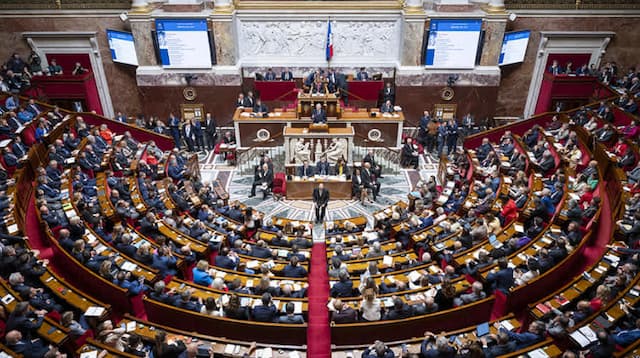
The French National Assembly has unanimously rejected the EU–Mercosur trade agreement, ramping up political pressure on Emmanuel Macron over fears for farmers, climate commitments and European standards after 25 years of negotiations.
The French National Assembly has voted almost unanimously to reject the draft EU–Mercosur trade agreement, sending a clear political warning to the government and Brussels. The vote reflects deep concern in France over the impact of the deal on agriculture, the environment and European social and health standards.
A Strong Signal To The Government
Lawmakers adopted a non‑binding resolution urging the French government to actively oppose the agreement at EU level rather than simply express “reservations”. The text calls on the executive to form a blocking minority among EU member states and, if necessary, seek legal clarification from the EU Court of Justice on the compatibility of the treaty with existing European rules.
“Maximum Pressure” On The Élysée
MPs want to “put maximum pressure” on President Emmanuel Macron ahead of key European decisions expected before the end of the year.
The resolution underlines that trade policy must not undermine Europe’s climate commitments or expose European farmers to unfair competition from imports produced under looser standards.
What Is In The EU–Mercosur Deal?
The EU–Mercosur agreement is a wide‑ranging trade and political partnership negotiated between the European Union and the four founding Mercosur countries: Argentina, Brazil, Paraguay and Uruguay.
Key Economic Provisions
The deal would phase out tariffs on more than 90% of trade between the two blocs, including most EU exports of cars, machinery, chemicals, textiles, wine and dairy products.
In exchange, Mercosur exporters would gain preferential access to the EU market for agricultural products such as beef, poultry, sugar, ethanol and honey, within significant tariff‑rate quotas.
Supporters argue that the agreement would boost EU competitiveness, open a market of over 260 million consumers and save European exporters several billion euros in customs duties each year.
Why The Deal Is So Controversial In France
France has been among the most vocal critics of the agreement, particularly from the farming sector and environmental groups.
Agricultural Fears
French farmers warn the deal would bring a surge of South American beef and other products produced under lower environmental, animal welfare and sanitary standards.
They fear this would drive prices down, squeeze already fragile incomes and accelerate farm closures in sectors such as beef, poultry and sugar.
Climate And Amazon Concerns
Environmental NGOs highlight the risk of increased deforestation in the Amazon and other sensitive ecosystems if agricultural exports to Europe are expanded.
Critics say this contradicts the EU’s Green Deal and the Paris Agreement, even though the trade text now formally refers to climate commitments and includes a sustainability chapter.
The French Government’s Position
The French government has repeatedly stated that the agreement, in its current form, is “not acceptable”, even after the latest adjustments negotiated with the European Commission.
Demands For Stronger Safeguards
France is pushing for:
Tougher “mirror clauses” ensuring imported products respect EU‑equivalent environmental, health and animal‑welfare standards.
Stronger safeguard mechanisms allowing the EU to quickly restrict imports if they destabilise sensitive sectors such as beef or poultry.
The government has welcomed some additional safeguards obtained in 2024 but insists they remain insufficient to guarantee fair competition and credible climate protection.
A Deal 25 Years In The Making
Negotiations between the EU and Mercosur started in 1999 and have gone through multiple stops and restarts due to political changes and disagreements on agriculture, industry and environmental conditions.
Recent Breakthrough – But No Ratification Yet
A political agreement on the trade pillar was finally reached in December 2024, making it the largest trade deal ever concluded by the EU in terms of population covered.
The text still needs to be signed formally and then ratified by EU member states and Mercosur countries, a process that could follow different legal routes and may face national parliamentary vetoes.
France’s parliamentary vote does not automatically block the treaty, but it sends a strong political message that could shape the French position in upcoming EU discussions.
What Happens Next?
The European Commission has already sent draft decisions on the agreement to EU governments, and further debates are expected in the Council and European Parliament.
Possible Scenarios
If France successfully builds a blocking minority with like‑minded countries such as Ireland, Austria or the Netherlands, the current text could be frozen or renegotiated.
Alternatively, EU leaders could seek additional side‑instruments or declarations on sustainability and agriculture to reassure sceptical capitals while keeping the core of the deal intact.
For now, the French vote underscores how trade policy has become a central battleground for climate goals, food sovereignty and globalisation, and it signals that the road to full ratification of the EU–Mercosur agreement will be anything but straightforward.
Enjoyed this? Get the week’s top France stories

One email every Sunday. Unsubscribe anytime.