Glacial New Year in Charente: Heavy Frost, Sub-Zero Temperatures and What to Expect Next
A Glacial Start to the Year in Charente
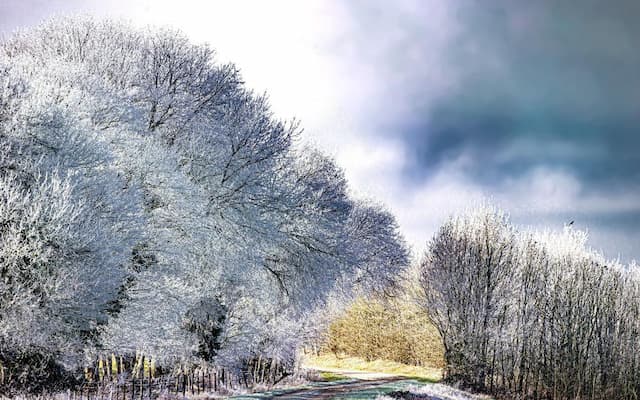
The new year has begun under a hard frost in Charente, with many towns and villages waking up to temperatures around −3 degrees to −5 degrees, and even lower in the coldest hollows. Clear skies overnight allowed heat to escape quickly, turning roads, fields and windscreens into icy surfaces by dawn.
Across Nouvelle-Aquitaine, this cold plunge has been particularly noticeable after several comparatively mild winters, making the early morning landscapes look almost Scandinavian, with frozen grass, steaming breath and mist hanging over rivers and valleys.
Morning Temperatures: From Angoulême to the Countryside
Sub-zero readings across the department
While exact values can vary from one spot to another, the pattern is clear: the cold has settled in firmly.
Around Angoulême, early morning temperatures hovered near −3°C, with the thermometer dropping lower in more sheltered areas.
In rural Charente, especially in valleys and low-lying fields, residents reported readings close to −5 °C and thick frost covering cars and rooftops.
Nearby parts of Nouvelle-Aquitaine experienced similar conditions, confirming a regional cold snap rather than a purely local anomaly.
These temperatures may rise slightly during the afternoon, but the air will still feel crisp, and shaded areas can remain icy throughout the day.
Why Is It So Cold? The Weather Pattern Explained
Continental air and clear skies
This glacial New Year’s morning is the result of a classic winter setup over France:
A mass of cold, dry air has moved in from northern and eastern Europe, pushing temperatures down over much of the country.
Clear skies overnight have enhanced what meteorologists call “radiative cooling”: the ground loses heat rapidly into the atmosphere, causing surface temperatures to tumble.
With little cloud cover to act as a blanket, the cold intensifies, leading to widespread frost and localised icy patches on roads and pavements.
A wider French cold snap
Charente is not alone. Large parts of France are experiencing:
Generalised frost at daybreak, particularly away from the coasts.
Temperatures frequently below zero in the early morning, even in regions more accustomed to milder Atlantic influences.
An increased risk of black ice, especially on secondary roads, bridges and shaded areas.
Impact on Daily Life in Charente
On the roads and transport
This type of cold snap can have tangible effects on daily routines:
Driving conditions: Icy stretches can form overnight, particularly on untreated rural roads, making early morning commutes trickier.
Public transport: Buses and trains may run more slowly or require extra time for de-icing procedures.
Cyclists and pedestrians: Slippery pavements and cycle paths demand extra caution, especially in shaded streets and on bridges.
On homes, gardens and agriculture
The cold also touches daily life at home and in the fields:
Heating demand: Households are likely to turn up the heating, increasing energy consumption and costs.
Gardens: Tender plants left unprotected may suffer frost damage, while ponds and water features can freeze at the surface.
Agriculture: For farmers and winegrowers, early- and mid-winter frosts are normal, but prolonged or extreme cold can impact certain crops and infrastructure if it persists.
How to Stay Safe and Comfortable During a Frosty Spell
Practical tips for residents
To cope better with these glacial mornings, a few simple measures can make a big difference:
Dress in layers, including gloves, hat and scarf, to reduce heat loss and protect extremities.
Allow extra time for travel so you can drive more slowly and defrost your vehicle properly.
Use appropriate footwear with good grip to reduce the risk of slipping on icy pavements.
Check on elderly or vulnerable neighbours who may struggle more with the cold and mobility.
Protecting your home and garden
Bleed radiators and check insulation around doors and windows to improve heating efficiency.
Cover delicate garden plants with fleece or bring potted plants into a sheltered or indoor space.
Consider insulating outdoor pipes and taps to reduce the risk of freezing and bursts.
What to Expect in the Coming Days
Will the cold continue?
After such a sharp drop in temperatures, many residents naturally ask: is this just a one-off, or the start of a longer cold spell?
Forecasts for the region suggest that sub-zero mornings are likely to continue for at least a few days, especially in sheltered inland areas.
Daytime temperatures may creep up slightly, but mornings can remain frosty, with a risk of icy patches persisting in shaded spots.
Any new cloud cover or passing weather fronts could moderate the cold a little, but also bring the chance of wintry showers in some parts of France.
For Charente residents and English speakers living in France, keeping an eye on local forecasts remains essential, particularly if you need to travel early or work outside.
Enjoying the Beauty of a Frosty Charente
Despite the inconvenience of scraping windscreens and watching for ice, a glacial morning in Charente has its own unique charm. Frosty vineyards, white fields and frozen riverbanks create spectacular photo opportunities, especially as the first light of day touches the landscape.
Bundle up warmly, take a short walk, and you can enjoy the crisp air, crunching grass and pastel skies that make winter in southwest France unexpectedly magical. Just remember to stay safe on the roads and pavements while appreciating the scenery.
Enjoyed this? Get the week’s top France stories

One email every Sunday. Unsubscribe anytime.