
Two Cases of MERS-CoV Detected in France: Health Authorities Step Up Precautions After Travelers Return from the Arabian Peninsula
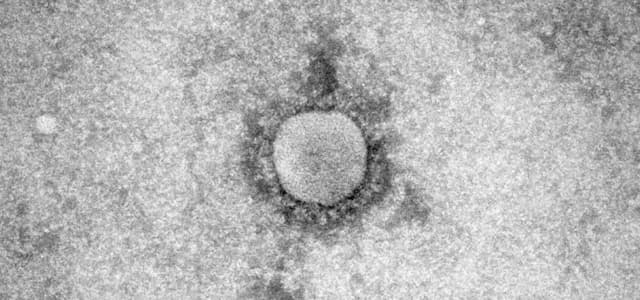
Two MERS-CoV Cases Confirmed in France
French health officials have confirmed two cases of the Middle East Respiratory Syndrome coronavirus (MERS-CoV) among travelers returning from the Arabian Peninsula. The Ministry of Health announced that both patients are hospitalised as a precaution and currently in stable condition.
These are the first confirmed cases in France since 2013, when two infections were identified in the Nord–Pas-de-Calais region. “The two new cases were confirmed following symptomatic illness consistent with MERS and a shared recent journey to the Arabian Peninsula,” said Health Minister Stéphanie Rist.
Authorities have emphasized that no local transmission has been detected, and the situation remains under control.
READ ALSO: The Flu, Which Caused 17,000 Deaths Last Year, is Starting to take Hold in France
Strengthened Health Measures
In line with international health protocols, the French Health Ministry immediately implemented reinforced monitoring and contact tracing.
Steps taken include:
Identifying and testing all close contacts of the patients.
Isolating individuals who may have been exposed.
Requiring strict hygiene and barrier measures for healthcare workers.
Monitoring other members of the travel group for symptoms.
“The risk of transmission remains very low for the general public,” the Ministry assured, but rapid containment actions are crucial to avoid hospital-based clusters, as observed in previous regional outbreaks.
What Is MERS-CoV?
The Middle East Respiratory Syndrome coronavirus (MERS-CoV) was first identified in Saudi Arabia in 2012. It is part of the same viral family as SARS-CoV and SARS-CoV-2 (COVID-19), but typically less contagious and far more lethal.
According to the European Centre for Disease Prevention and Control (ECDC):
Over 2,640 cases have been reported globally since 2012.
Around 958 deaths have occurred — a fatality rate of about 36%.
How It Spreads
MERS-CoV is a zoonotic virus, meaning it originates in animals and occasionally crosses to humans — mainly through close contact with infected dromedary camels or possibly bats.
Human-to-human transmission is rare but can occur:
In hospitals, particularly through unprotected contact with patients.
Within families or closed environments.
Common Symptoms
Typical MERS symptoms include:
Fever and chills
Cough and shortness of breath
Muscle pain or fatigue
Gastrointestinal issues such as diarrhea
The incubation period ranges from 5 to 15 days. Severe cases can progress to pneumonia or acute respiratory distress, especially in those with underlying health conditions.
Global Situation in 2025
In 2025, Saudi Arabia reported 12 cases and 3 deaths, including small hospital-based clusters involving healthcare workers. International health agencies continue to monitor the virus closely, particularly during religious pilgrimages to Mecca, when travel to and from the region increases significantly.
While there is no specific treatment or vaccine, strict infection control remains the most effective defence.
Advice for Travelers
If travelling to or from the Arabian Peninsula, health authorities recommend:
Avoiding contact with camels and camel products such as raw milk.
Practicing good hand hygiene before and after handling animals.
Wearing a mask and avoiding crowded areas if visiting hospitals.
Seeking immediate medical attention if respiratory symptoms appear after travel.
For French residents or expats returning from the region, consulting a GP promptly is advised if fever or breathing difficulties occur within two weeks of return.
Enjoyed this? Get the week’s top France stories

One email every Sunday. Unsubscribe anytime.

