
Toxic Beeswax Alert: French ANSES Warns of Deadly Insecticides Threatening Honeybees
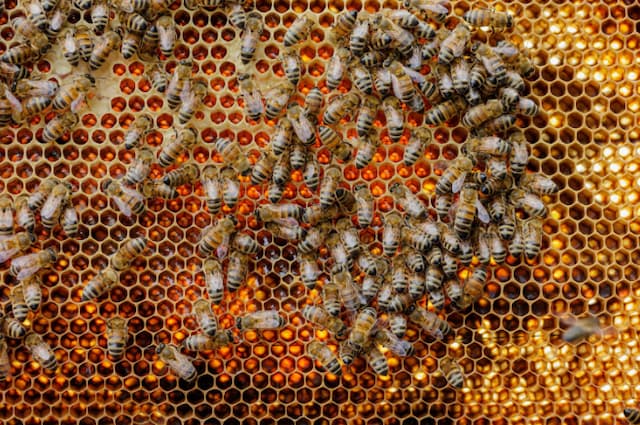
Shocking Contaminants in Beeswax: A Wake-Up Call for French Beekeepers
France’s National Agency for Food, Environmental and Occupational Health & Safety (ANSES) has issued a stark warning: commercial beeswax used in apiculture is riddled with toxic chemicals driving honeybee deaths. Over 40% of tested wax foundation sheets contain highly poisonous pyrethroid insecticides, key culprits in recent pollinator declines. This first nationwide survey exposes a hidden crisis accumulating through recycled wax worldwide.
A Toxic Cocktail Lurking in Your Hives
ANSES analyzed wax from suppliers, beekeepers, and general retailers, uncovering a brew of pesticides, heavy metals, and veterinary drugs. Particularly alarming, pipéronyl butoxide—a synergist that supercharges pyrethroid toxicity—was found in over 50% of samples, amplifying harm to bees. Even banned acaricides and tiny amounts of paraffine (in 70% of cases) and toxic stearic acid signal repeated recycling and potential adulteration.
Key contaminants detected:
Pyrethroid insecticides: Deadliest for bees, present in 40%+ of wax sheets.
Pipéronyl butoxide: Boosts pesticide lethality, in over half the samples.
Banned substances: Like old acaricides, imported via global wax trade.
Metals and vets meds: Trace levels building up over time.
These build in recycled wax, endangering larvae (couvain) and adult bees, worsening France’s bee mortality trends amid broader pesticide pressures.
Safer Sources and Risk Levels
Not all wax is equal—ANSES data shows contamination varies sharply by origin. Self-renewed wax from your own hives poses the lowest risk, but requires enough colonies. French opercula (cappings) wax beats EU imports, which lag behind domestic options, while general store wax is riskiest.
| Wax Source | Risk Level | Why? |
|---|---|---|
| Apiarist self-recycled | Lowest | Fresh from own bees, minimal external contaminants. |
| French ciriers (wax makers) | Low | Better controls than imports. |
| EU imports | Medium | Higher pesticide traces. |
| Non-EU/global | High | Banned chemicals persist. |
| General retailers | Highest | Adulterated, heavily recycled. |
ANSES Demands: Tighter Regulations Ahead
To safeguard bees, ANSES urges defining “apiculture-grade beeswax” legally, with a toxicological threshold (risk quotient under 5000) banning unsafe batches. No such rules exist yet, but pressure mounts for enforcement amid EU pollinator protections.
Immediate apiarist tips:
Recycle your own wax—team up locally if hive numbers are low.
Prioritize French opercula wax from trusted ciriers.
Avoid cheap imports; test high-volume sources.
Advocate for labeling and import checks.
Why This Matters for Expats and Eco-Warriors in France
With bees vital for 35% of crops, this scandal hits French agriculture—and your table—hard. Expats running blogs or hives in regions like Pays de la Loire should watch for updates; stronger rules could boost local apiculture. Stay informed as ANSES pushes for change to halt the buzzkill.
Enjoyed this? Get the week’s top France stories

One email every Sunday. Unsubscribe anytime.

