
Inflation, Food & Energy: Why French Households Still Feel the Pinch in 2025
Inflation in France climbed again in October as food costs rose and many households continue to struggle with energy bills. Here’s why life still feels expensive — and what residents can do.
New figures from INSEE show that inflation in France rose by 1% year-on-year in October. On paper, that suggests price pressures are easing. Energy prices even fell on average during the month, and headline inflation remains far below the peaks seen during the post-Covid energy and supply-chain crisis.
Yet for many residents in France – including expatriates and rural households – the cost of living continues to feel high and, in some cases, overwhelming. The reality behind today’s economic data is more complex: while official inflation moderates, essential expenses are still rising for millions of people.
Food Costs Continue to Bite
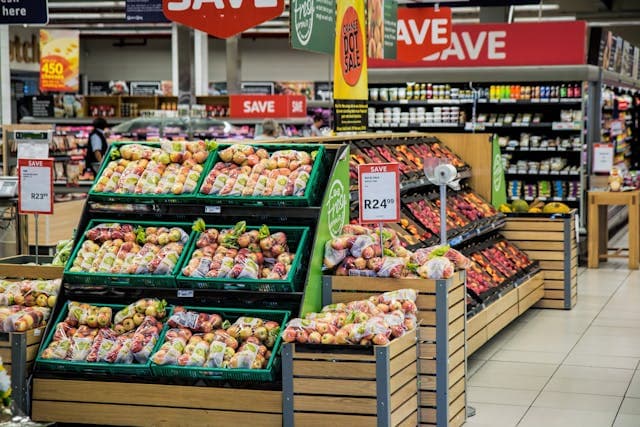
Food inflation rose again in October, climbing +1.3% year-on-year. After two years of elevated food price growth, even small increases are painful for families already stretched.
Staples remain noticeably higher than pre-crisis levels, particularly dairy, fresh produce, and household basics. Rural households, retirees, and low-income families feel this most acutely because a greater share of their budget goes to food.
READ ALSO: Cost of Living in France 2025: A Realistic Breakdown
Energy Prices Down – But Bills Still Hurt
Energy prices declined overall in the latest data. However, this hides a reality many households already know: lower wholesale prices do not automatically mean lower household bills.
Recent analysis shows that more than one-third of French households struggle to pay energy costs, particularly those heating older homes, relying on electricity or fuel oil, or living in rural areas where alternative heating systems are limited.
READ ALSO: A Third of French Households Struggle to Pay Their Energy Bills
Why People Still Feel Stressed About Money
So why do households still feel squeezed despite a modest inflation reading?
- Previous price surges are still in the system – inflation slows when prices stop rising fast, not when they fall back to old levels.
- Essential spending dominates budgets – food, fuel, and housing weigh heavily for rural families, retirees, and low-income earners.
- Government support measures are fading – subsidies and price shields have been reduced or removed.
- Uncertainty persists – political tension, global instability, and shifting energy policy keep households cautious.
In short: inflation moderating does not suddenly make life cheap again. Stability is not the same as affordability.
What Households Can Do Right Now
Until prices normalise further, managing costs remains essential. Practical steps include:
- Review energy usage and heating efficiency early before peak winter months
- Shop seasonal and local where possible – see your seasonal vegetable guide
- Compare supermarket brands and bulk-buy staples when discounted
- Track monthly spending and review direct debits, utilities, and insurance
- Consider loyalty cards or local producers’ cooperatives for savings
Cost-conscious habits are not simply temporary coping tools — they are becoming long-term financial strategies for many families living in France.
Key Takeaways
- Headline inflation slowed to +1% year-on-year in October
- Food prices rose again, keeping pressure on household budgets
- Energy costs fell statistically, but bills remain difficult for many
- Retirees, rural households, and low-income earners feel the most strain
- Budget awareness and smart seasonal shopping are increasingly essential
Final Thoughts
Inflation data may show calm on the surface, but daily life tells a different story. For many in France, especially those on fixed incomes or living in the countryside, the cost of essentials remains a challenge. Staying informed, planning ahead, and adopting practical habits around food, energy, and spending remains the best strategy for weathering a high-cost environment.
Enjoyed this? Get the week’s top France stories

One email every Sunday. Unsubscribe anytime.

