
Growing Your Own Vegetables in France: How Expats Can Save Money and Eat Better
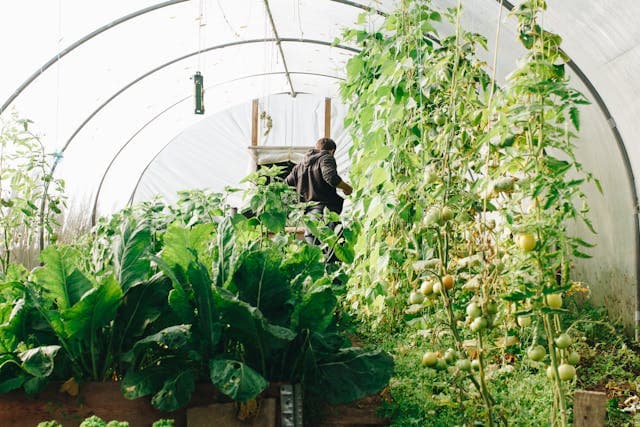
Discover how expats in France are saving hundreds each year by growing their own vegetables. Learn what to plant, cost savings, and how to make your French potager thrive.
In an era of rising food prices and a growing interest in sustainable living, more expats across France are rediscovering the value of growing their own vegetables. Whether you’re in a rural farmhouse or a suburban plot, cultivating your own produce can be one of the most rewarding and cost-effective parts of life in France.
Why Grow Your Own?
For many expats, life in France is about slowing down, enjoying the land, and becoming more self-sufficient. A vegetable garden (or potager) fits that dream perfectly. Beyond the satisfaction of eating what you’ve grown, there’s a real financial advantage. With supermarket prices continuing to rise, growing your own seasonal produce can help cut grocery bills by up to 25% for a family of four — and even more if you preserve or freeze surplus harvests.
According to CHB44’s Cost of Living in France 2025 report, food costs for an average family continue to rise, particularly for fresh produce. Meanwhile, those with space to grow their own are finding real savings and fresher, tastier vegetables on the table.
Home-Grown vs Supermarket: How Much Can You Save?
| Vegetable | Average Supermarket Price (€/kg, Autumn 2025) | Estimated Home-Grown Cost (€/kg) | Potential Savings |
|---|---|---|---|
| Tomatoes | €3.20 | €0.90 | 72% |
| Courgettes | €2.50 | €0.70 | 72% |
| Lettuce | €1.40 per head | €0.25 | 82% |
| Carrots | €1.80 | €0.60 | 67% |
| Green Beans | €4.00 | €1.20 | 70% |
| Leeks | €2.60 | €0.80 | 69% |
Even a modest garden can yield significant returns. A typical 20m² vegetable patch can produce €400–€600 worth of fresh produce annually — more if you grow higher-value crops such as tomatoes, courgettes, and beans.
Getting Started: What to Grow and When
If you’re new to gardening in France, start simple. Choose easy crops such as lettuce, radishes, tomatoes, or courgettes — all of which thrive in most regions with moderate care. For those planning an autumn or winter garden, see our guide on seasonal vegetables in France to help plan what to plant and when.
For anyone seeking a deeper level of self-sufficiency, combining a vegetable plot with a few hens can provide both fresh produce and daily eggs — see our in-depth guide on keeping chickens in France.
Healthy, Sustainable, and Rewarding
Beyond saving money, growing your own vegetables encourages healthier eating. Home-grown produce tends to have higher vitamin and antioxidant levels due to freshness and lack of transport or storage delays. It’s also more sustainable: no plastic packaging, no food miles, and less waste.
Even if you can’t produce everything you eat, every tomato, lettuce, or carrot you grow contributes to reducing household costs and supports a more balanced, environmentally conscious lifestyle — values at the heart of why many expats choose life in rural France.