
The Smart Expat’s Guide to French Markets: Shop Local, Save Money & Eat Better
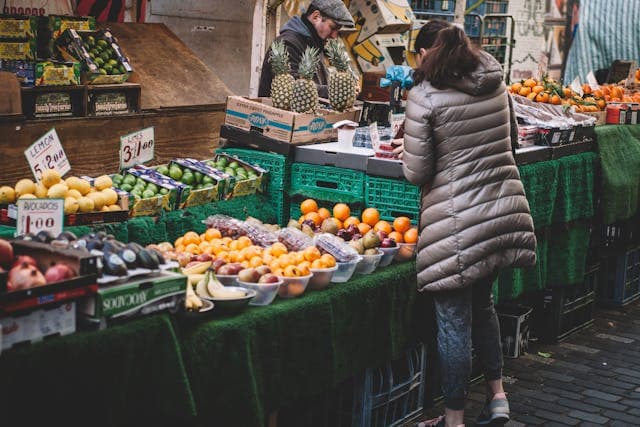
Updated: October 2025 — practical guide for expats and families.
Learn how to shop at French markets like a local. Practical tips for expats on saving money, buying seasonal produce, and making the most of your local marché.
There’s something quietly reassuring about a Saturday morning market in France: the colours, the chatter, the smell of fresh bread. For expats rebuilding life in the countryside or a small town, the local marché is more than a place to buy food — it’s a way to connect, eat better, and save money. This guide from chb44.com walks you through everything you need to shop markets confidently and economically, whether you’re a complete beginner or just looking to get more value from your weekly shop.
Why French Markets Matter
Markets in France are a longstanding part of daily life. They offer seasonal produce, direct access to growers and artisans, and prices that can beat supermarkets — especially when you buy smart and buy seasonal. For families watching their budgets, a regular market visit paired with a small vegetable plot (see our Growing Your Own Vegetables in France guide) is one of the most reliable ways to reduce grocery outlay while improving food quality.
How French Markets Work — The Basics
- Market days: Most towns have one or two market days a week; larger towns and cities often have daily markets.
- Stalls & labels: Producers who sell their own products usually wear badges or will clearly state “producteur” (producer). Fruit and veg from wholesalers are common too — both useful depending on price/quality needs.
- Payment: Cash is still king in many stalls, but card readers (portable) are increasingly common. Bring small notes and change early on, then use a card if available for larger purchases.
- Seasonality: Markets reflect the season — that’s where savings come from. Buy root vegetables, cabbages and storage onions in autumn and winter; strawberries, tomatoes and beans in summer.
Supermarket vs Market — Quick Comparison
| Feature | Supermarket | Market |
|---|---|---|
| Price (seasonal produce) | Usually higher for fresh, local seasonal items | Often lower for in-season produce (buying direct saves margin) |
| Freshness & Taste | Good, but longer storage/transport can reduce flavour | Best — often harvested recently; superior taste for many items |
| Variety of local specialties | Limited to regional supply chains | High — you’ll find regional cheese, charcuterie, preserves and seasonal fruits |
| Convenience | One-stop shop; longer opening hours | Requires planning (market day); best for weekly top-ups |
| Social value | Minimal; transactional | High — supports local producers and builds community ties |
Step-by-Step: How to Shop a French Market Like a Pro
1. Plan and prioritise
Make a short list of staples you need for the week and a second list of seasonal treats. If you also tend a vegetable patch, plan to buy items that complement what you grow — for example, buy beans and tomatoes if you lack space for heat-loving crops.
2. Go early or late — for different reasons
Early morning gets the best selection; late morning often brings reduced prices as sellers clear stock. If you want bargains, try the last hour of the market — some stalls discount to avoid taking produce home.
3. Ask questions — and try before you buy
Ask producers how the item was grown and when it was picked. For cheeses and charcuterie, most vendors are happy to give small samples. Building a relationship with one or two trusted producers will save you time and often money.
4. Buy seasonal and preserve the rest
When tomatoes or courgettes are in season, buy larger quantities and preserve by freezing or making simple preserves. This multiplies the savings from your market trips.
5. Bring cash, bags and a cool box
Small notes and coins are still useful; many stalls accept cards but chip readers can fail. Reusable bags and a small cooler keep your purchases safe, especially in summer.
Practical Tips for Expats
- Learn key phrases: “Combien pour…?” (How much for…?), “C’est de la production locale?” (Is this locally produced?), “Avez-vous du rabais si j’en prends deux?” (Any discount if I buy two?).
- Meet the growers: Most French producers appreciate repeat customers — build goodwill and you’ll sometimes get the best picks.
- Watch local boards: Municipal websites and noticeboards list market days and temporary seasonal markets (fêtes, harvest markets).
- Combine with errands: Plan market visits with other tasks to reduce travel and save fuel.
Safety, Seasonality & Quality
Markets are subject to food-safety rules — producers selling meat, dairy and prepared foods must display their certifications. During avian influenza or similar alerts, local authorities may limit the sale of certain products — check your mairie’s notices if you’re unsure.
How Markets Fit Into a Broader Budget Strategy
Pairing market shopping with home-growing (see Growing Your Own Vegetables in France) and basic meal planning can reduce your weekly grocery bill significantly. If you keep hens, fresh eggs are another way to reduce reliance on supermarkets — for guidance, see our Keeping Chickens guide.
Final Checklist: Your First Market Visit
- Check the market day and opening hours at your mairie or local noticeboard.
- Bring small change, a bag, and a cool box if buying dairy/meat.
- Make a short shopping list and allow time to walk the stalls first.
- Ask questions, sample, and buy a little extra to try new products.
Further Reading & Useful Links
- Growing Your Own Vegetables in France — Save Money & Eat Better
- Keeping Chickens in France — Costs, Care & Benefits
- Cost of Living in France 2025 — Realistic Breakdown
Markets are an easy, low-cost way to eat better and live more locally. Start small, build relationships with producers, and combine market shopping with seasonal growing to get the best results — and the best value — from your French potager and kitchen.