
Keeping Chickens in France: A Practical Guide for Expats and Families
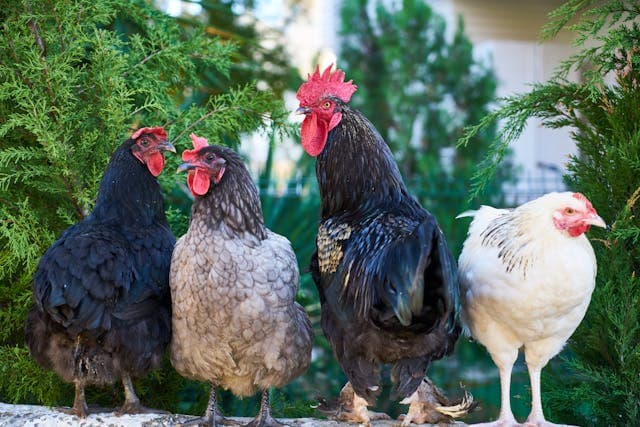
Thinking of keeping hens in rural France? Mid-range cost guide for a family of four, how many hens you need, coop size, care, and fresh eggs vs supermarket eggs.
Many expats who move to the French countryside dream of fresh eggs from the back garden. Chickens are a practical, rewarding first step toward more self-sufficient living — but they also require time, money and a little planning. This guide explains how many hens a typical family of four really needs, what setup works in a French climate, the mid-range costs you should expect, and how home-laid eggs compare to supermarket eggs in price and nutrition.
Who is this for?
This article is written for expat families living in rural or semi-rural France who want a realistic, mid-range view of chicken keeping (not hobbyists with very cheap second-hand setups, nor commercial producers). We assume a household of four (two adults and two children) and present costs and recommendations that match national mid-range prices.
How many hens do you need for a family of four?
First, estimate your egg use. A typical family of four often uses around 8–12 eggs per week. Using 10 eggs/week as a mid-point equals ≈520 eggs per year.
A healthy laying hen on a good diet will average roughly 200–250 eggs per year, depending on breed and season. For planning we’ll use a conservative 220 eggs/year per hen. So:
520 eggs needed ÷ 220 eggs per hen ≈ 2.36 hens → round up. However, hens slow laying in winter, take moulting breaks, and individual birds sometimes underperform. To ensure a reliable supply year-round, we recommend **4–6 hens** for a family of four.
Choosing breeds & expected yields
For steady production, choose reliable laying breeds known in France: hybrids (e.g. ISA Brown), Rhode Island Red, or local hardy breeds. Hybrids often lay more eggs but traditional breeds can be hardier and better for foraging. Expect peak laying in spring/summer, with a dip through autumn/winter and moulting.
Coop & run: space, protection and location
Minimum recommended space (comfort & health):
- Indoor coop (night shelter): 0.5–1 m² per bird (so 4–6 hens → 2–6 m² internal coop space).
- Outdoor run: 2–4 m² per bird for exercise.
- Nest boxes: 1 nest box per 3–4 hens.
- Perches: Allow 20–30 cm perch length per hen.
Predator proofing is crucial (foxes, martens) — use buried mesh, secure latches and covered runs. In certain zones, birds must be kept indoors during avian influenza alerts; plan for temporary indoor housing.
Daily care essentials
- Fresh water daily (or an automatic nipple system).
- Commercial layer feed plus kitchen scraps and seasonal garden produce.
- Space to forage or a rotation plan to avoid soil depletion.
- Weekly cleaning of nesting boxes and regular replacement of bedding (straw/shavings).
- Basic biosecurity: limit outside visitors, clean boots, check birds weekly for mites or illness.
Mid-range cost breakdown (EUR) — family of four
These are mid-range national estimates (rounded). Costs vary by region and choices (DIY vs store-bought coop, organic feed, etc.).
| Item | One-off / annual | Estimate (€) |
|---|---|---|
| Coop (mid-range, prebuilt or good DIY) | One-off | €500 |
| Secure run & mesh | One-off | €150 |
| Feeder, drinker, nestboxes | One-off | €50 |
| Stock: 4–6 hens (mid-range) | One-off | €150 |
| Initial bedding, tools | One-off | €50 |
| Annual feed (6 hens @ ~€80/hen) | Annual | €480 |
| Bedding & consumables | Annual | €60 |
| Veterinary / replacements / misc | Annual | €60 |
| TOTAL (initial one-off) | One-off | €855 |
| TOTAL (annual running) | Annual | €600 |
Notes: These figures assume 4–6 hens. Initial coop purchase is the biggest one-off cost. Many expats choose a modest prebuilt coop or a quality DIY project to keep costs reasonable.
Fresh eggs vs shop eggs — cost and nutrition
Using the mid-range figures above, here’s a simple cost comparison based on 6 hens at 220 eggs/year each (≈1,320 eggs/year).
| Item | Annual € | Cost per egg (€) |
|---|---|---|
| Annual running costs (feed, bedding, misc) | €600 | €0.45 |
| + Amortised one-off costs (initial €855 ÷ 5 years) | €171 | €0.13 |
| Total annual cost (approx.) | €771 | €0.58 |
| Average supermarket eggs (mid-range price) | — | €0.25 (≈€3.00 per dozen) |
Bottom line on cost: On a purely financial basis, home-laid eggs are generally more expensive per egg than supermarket eggs when you include initial setup and ongoing costs (approx. €0.58 vs €0.25 per egg in this mid-range example). The real value of backyard eggs often comes from freshness, taste, better traceability, and the lifestyle benefits of keeping chickens.
Nutrition & quality: what’s different?
Research shows that eggs from free-range, pasture-fed hens often have higher levels of certain nutrients (vitamin D, omega-3s and some fat-soluble vitamins) compared with conventional supermarket eggs — but results vary widely depending on feed and breed. In practical terms:
- Home eggs are usually fresher and can taste richer (deeper-coloured yolks if hens forage).
- If you feed hens a diet high in flaxseed or oilseeds, you can increase omega-3 content.
- Nutritional differences exist but are variable — fresh eggs’ biggest consistent advantages are freshness and traceability.
Rules, neighbour considerations & biosecurity
Before you start, check with your mairie (town hall) about local bylaws: some communes limit the number of birds or have rules on noise and disposal. During avian influenza alerts (which periodically occur), national or prefectural rules may restrict transport and require stricter housing/biosecurity.
Consider neighbours: hens can be noisy if roosters are present (we recommend hens only in most suburban/near-neighbour setups). Keep the coop tidy and manage odour with regular bedding changes to maintain good relations.
Is keeping chickens right for your family?
For many expat families, chickens are worth the investment: they provide fresh food, seasonal routine, and a gentle way for children to learn about food and nature. If your main goal is strict cost savings, supermarket eggs remain cheaper — but if you value taste, control over feed and animal welfare, and the lifestyle benefits, chickens are a strong choice.
Quick checklist before you commit
- Confirm local rules with your mairie.
- Decide on 4–6 hens for a family of four to ensure steady supply.
- Buy or build a secure coop + run (budget ~€650 for mid-range setup).
- Plan annual running costs (~€600/year) and where you’ll source feed.
- Think about who will care for birds during holidays/trips.
Further reading & links
- Cost of Living in France 2025: A Realistic Breakdown for Families — budget context for new expats.
- Seasonal Vegetables in France: What to Buy This Autumn — pair your eggs with autumn veg for low-cost meals.
- Planned follow-ups: Best breeds for French climates, Coop plans & DIY, and Eggonomics: detailed cost-per-egg analysis.
This guide was prepared for chb44.com as a practical, mid-range planning resource. Local costs and rules vary — use this as a starting point and check your mairie or a local smallholder group for region-specific advice.