
Cost of Living in France 2025: A Realistic Breakdown for Families on a Budget

France is famous for its food, culture, and slower pace of life. But if you’re thinking about moving here, or you already live in France and want to know where your money really goes, you’ve probably asked yourself: “How much does it actually cost to live in France in 2025?”
The answer depends a lot on where you live, your family size, and your lifestyle. Official numbers and expat websites often give tidy averages, but the reality on the ground can look quite different — especially for families who are trying to balance a modest income with enjoying life here.
In this guide, I’ll break down the real costs of living in France: housing, groceries, utilities, transport, healthcare, and leisure. I’ll also share some tips from our own experience as a family living in a French farmhouse, making the most of a small budget while still finding ways to enjoy life.
Section 1: Housing & Utilities in France
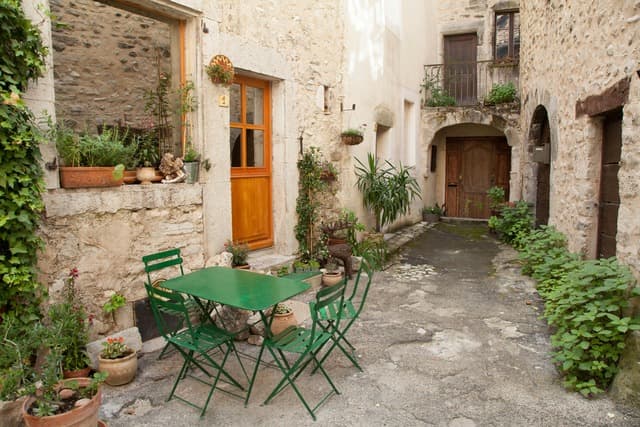
Housing is usually the biggest part of any family budget in France. How much you’ll spend depends a lot on location:
In Paris or the Côte d’Azur, rents are sky-high. A modest two-bedroom flat can cost anywhere from €1,500 to €2,000 per month.
In mid-size cities like Nantes, Bordeaux, or Lyon, you might pay €800–1,200 per month for a decent family apartment.
In rural areas and small towns, housing is much more affordable. It’s possible to rent a three-bedroom home for €600–800 per month — sometimes less.
Since we own our farmhouse mortgage-free, we don’t have rent, but that doesn’t mean housing is “free.” Living in an older rural home comes with its own costs:
Electricity: French homes are often heated with electric radiators or oil-fired boilers. Our house relies mainly on electricity (plus two wood-burning stoves for backup), and bills easily run €150–200/month in winter.
Heating oil (fioul): Many older homes in rural France still use oil for central heating. A single tank refill can cost €1,200–1,500, which may last several months depending on the winter.
Wood: Using a fireplace or wood-burning stove is a cheaper alternative. A few cubic metres of firewood might cost €200–400 for the season.
Water: Between showers, laundry, and watering the garden, we pay roughly €30–40/month.
Internet & phone: Packages in France are affordable compared to some countries — typically €25–40/month for fibre or ADSL.
👉 Tip: If you want to keep housing costs down, consider living outside the big cities. Rural France offers much more space for less money — just be prepared for higher heating bills and the occasional renovation project!
Section 2: Food & Groceries

Food is one of the joys of living in France, but it can also eat up a big part of the family budget.
The average French household spends €300–500 per month on groceries, depending on family size and where they shop. Prices for basics can vary a lot between supermarket chains:
Budget supermarkets like Lidl, Aldi, and Intermarché often offer the best value.
Mid-range stores such as Carrefour, Leclerc, or Super U have more choice but can be pricier.
Local markets are fantastic for fresh seasonal produce, though sometimes more expensive unless you go near closing time for discounts.
Eating out is another factor. A simple set lunch menu in a café costs around €15–20 per person, while a three-course dinner at a mid-range restaurant can easily reach €25–30 per person (excluding wine). A family of three dining out once a week can easily add €250+ per month.
Our family experience: we manage to keep food costs to around €10 per day by planning meals, cooking from scratch, and freezing leftovers. We focus on seasonal vegetables, cheaper cuts of meat, and staples like eggs, cheese, and canned tuna. It’s a healthy, budget-friendly way to live — but it does mean eating out becomes a rare treat.
👉 Tip: French supermarkets often run “drive” services (click-and-collect). Ordering online and picking up your groceries not only saves time but also avoids impulse buys, which keeps your budget in check.
Section 3: Transportation Costs

Transport costs in France depend heavily on whether you live in a city or the countryside.
Public Transport: In Paris, a monthly Navigo pass costs €84.10 (as of 2025), giving unlimited travel across the metro, bus, and train networks. In smaller cities, passes are cheaper, usually €30–60/month.
Owning a Car: For rural families like ours, a car is essential. The costs include:
Fuel: Petrol and diesel hover around €1.80–2.00 per litre. Filling a tank can easily cost €80–100.
Insurance: Expect €40–80/month, depending on the car and coverage.
Maintenance & repairs: Around €500–700 per year on average.
Tolls: French motorways (autoroutes) are tolled, and long journeys can cost €30–60 each way in toll fees.
READ ALSO: SMIC vs Average Salary in France (2025): Can You Live on the Minimum Wage?
For many families outside cities, transport is one of the biggest unavoidable expenses. A modest household budget might put aside €150–250/month for transport, while a car-heavy household could easily spend €400–500/month.
Section 4: Healthcare & Insurance
One of the benefits of living in France is its healthcare system, which is considered one of the best in the world.
Doctor visits cost around €25, but about 70% of this is reimbursed by the state system.
Specialist visits (dentists, physiotherapists, etc.) vary but are also partially reimbursed.
Most families also take out a mutuelle (top-up insurance), which costs €50–100/month for a family, depending on coverage.
Prescription medicines are usually affordable, with the majority reimbursed.
For low-income families, there are state aids such as the Complémentaire Santé Solidaire (CSS), which can cover the cost of supplementary insurance.
👉 Tip: Even if you’re healthy, it’s worth having a mutuelle. Unexpected hospital visits, dental work, or glasses can add up quickly without it.
Section 5: Leisure, Travel & Family Life

France has plenty to offer in terms of leisure — from simple pleasures like local markets to grand cultural experiences.
Cinema tickets: around €10–12 each.
Restaurant meal: €20–30 per person for a mid-range dinner.
Weekend trips: Budget €200–300 for a short family getaway.
Vacations: Many French families budget around €2,000–3,000 per year for holidays, which is roughly €200–300/month when spread out.
For us, leisure spending is minimal, but there are still ways to enjoy life without overspending. Village fêtes, free concerts, and countryside walks are a big part of French rural life. Festivals, markets, and cultural events often cost very little and can bring a lot of joy.
Section 6: Sample Family Budget 2025
Here’s a side-by-side look at what a family might spend in France:
| Category | Average Family in France (€) | Tight Budget (€) | Comfortable Budget (€) |
|---|---|---|---|
| Housing & Utilities | 1,000–1,200 | 700 | 1,500+ |
| Groceries & Eating | 300–500 | 250 | 800+ |
| Transport | 60–250 | 100 | 500+ |
| Healthcare | 50–100 | 50 | 150+ |
| Leisure/Travel | 100–300 | 50 | 600+ |
| Total | ~1,600–2,300 | ~1,150 | 3,500+ |
Section 7: Tips for Saving Money in France
Shop at markets late in the day for fresh produce discounts.
Use supermarket “drive” services to avoid impulse spending.
Check CAF and Aide eligibility if you’re on a low income.
Heat with wood or pellets instead of oil where possible.
Take advantage of free village/city events for entertainment.
Conclusion

The cost of living in France in 2025 varies widely depending on where you live and how you manage your money. Parisian families face very different realities compared to those in rural areas — but with smart budgeting, France can be surprisingly affordable while still offering a high quality of life.
From housing to healthcare, knowing what to expect helps you plan better and avoid nasty surprises. And the truth is, many of the best parts of French life — local markets, countryside walks, festivals — don’t cost much at all.
👉 If you found this breakdown useful, consider subscribing to my newsletter for more real-life tips on budgeting, eating well, and thriving in France as a family.